“130 million Americans—54% of adults between the ages of 16 and 74 years old—lack proficiency in literacy, essentially reading below the equivalent of a sixth-grade level.”
Note that this is data from 2003. Imagine how much worse it’s gotten since.
“130 million Americans—54% of adults between the ages of 16 and 74 years old—lack proficiency in literacy, essentially reading below the equivalent of a sixth-grade level.”
Note that this is data from 2003. Imagine how much worse it’s gotten since.
Luckily, a sixth-grade level is all it takes to read (or write) a social media post. You can be dumb as fuck and still participate in what passes for public discourse. Equality for all! 
Nothing tickles me more than seeing some post on reddit or a forum that starts “sorry this is so long” or someone saying “I’m not reading all that” and it’s like three paragraphs. Seriously, don’t strain yourself, people.
A reminder to get back to reading! Don’t let your literacy fall!
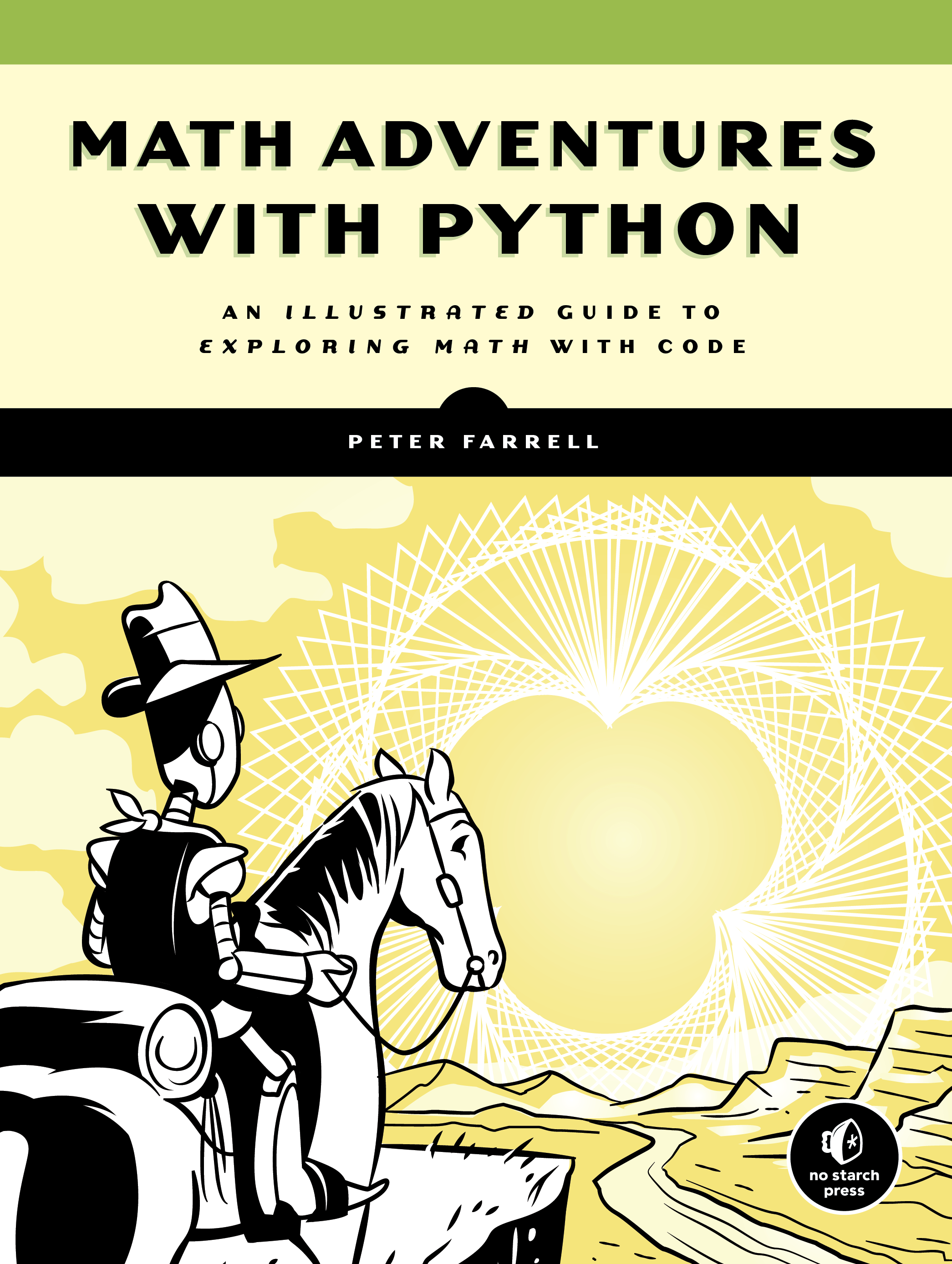
Might go back and give this one a try. I’m absolutely abysmal at anything related to math, so the only way I can stay engaged is by making something creative with it. It’s a covert Processing book, something that kind of feels like it fell out of another universe and was specifically made for weirdos like me. It would be disrespectful not to read it and work through my math phobia
That looks like a great start! From the ToC it seems like it covers a lot of common math/programming intersections - linear algebra, trig, and The Motherfucking Game of Goddamn Life, which is super fun and a legit rite of passage for programming.
I think learning math to fuel a specific project is always a great idea. I learned most of it the rigorous 90s college way where it was all definitions and proofs, then you got to figure out how to apply them to large problems without much guidance. It was pretty miserable - in fact it was mostly stuff like physics and computing classes where I went “oh shit, that’s what that thing’s important” which felt like a really backwards way to learn things. If books like this had existed back then I probably would have learned more and not been awake and stressed at 3am trying to finish my homework.
Math is definitely one of those things where once you get a handle on some basic concepts the rest of it starts to seem a lot less intimidating.
“Stigma - The machinery of inequality” by Imogen Tyler. An interesting work on social inequalities and the role processes of stigmatization play in enforcing and reproducing inequalities. It’s a bit like a non-fictional historic-cultural companion work to Cloud Atlas because there is some similarity with regard to the narrative structure and the changing focus on very different areas of inequality.
”Calling bullsh’t - The art of scepticism in a data-driven world” by Carl T. Bergstrom and & Jevin D. West. Nothing new, but touches many interesting topics such as causality versus correlation, misleading data visualizations and problematic ML models with some interesting examples.

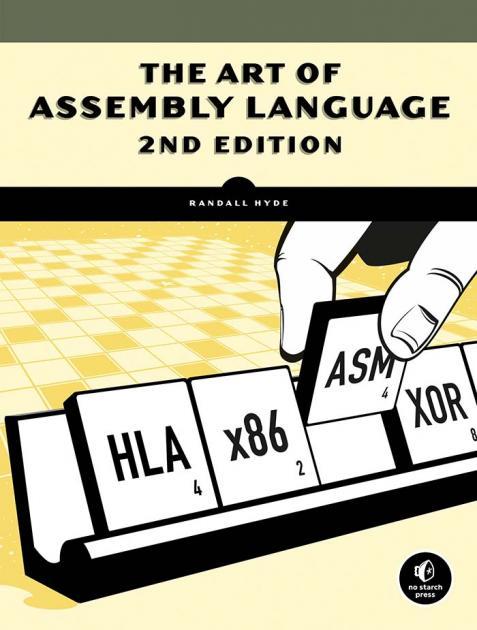
Not sure where my fascination with low-level came from (probably @GomesR honestly, sorry for the ping), but most of the books I’ve read on ASM didn’t really give me enough project material to work on in order to fully grasp anything and then I just ended up feeling like a retard; this one, the more ‘controversial’ take on it actually seems to make much more sense to me. It’s old, it’s dated, it’s got some quirks, and it’s actually making some sense to me. Finally.
This book uses the author’s own language (called High-Level Assembly, an outright oxymoron), which sort of forces you to learn both his own less-than-awesomely documented language as well as the assembly-like counterpart that the language contains. This allows people who are used to languages like Bash, Python and Processing (like me) transition down to assembly, procedurally taking the training wheels off as you go along.
It’s also a bitch to get installed, with predefined aliases and shit that you have to rig up or else nothing will ever compile correctly, but once you do so, you can do it all from the terminal, which is pretty much just turbo-mode for people like me who hate modern IDEs, overly-fancy text editors and helper bullshit.
Purists hate the idea of a high-level assembly language, even for educational purposes, but it’s pretty bitchin’.
Just kidding about that NSFW tag; I just wanted to make you click on this 
Although this very likely has no real-life use at all, I’ve been really wanting to at least grasp the fundamentals while I still have the free time (I won’t in a few months!), and I think working slowly through this book in nothing but a Linux terminal is pure zen. Inner peace is a funny thing; sometimes it’s just keeping the idiot within busy when nothing else is going on.
Reading the ethical slut.
It’s a bit out there but different perspectives…
Only technical literature for me at the moment 
don’t be sorry. where the fuck is that guy
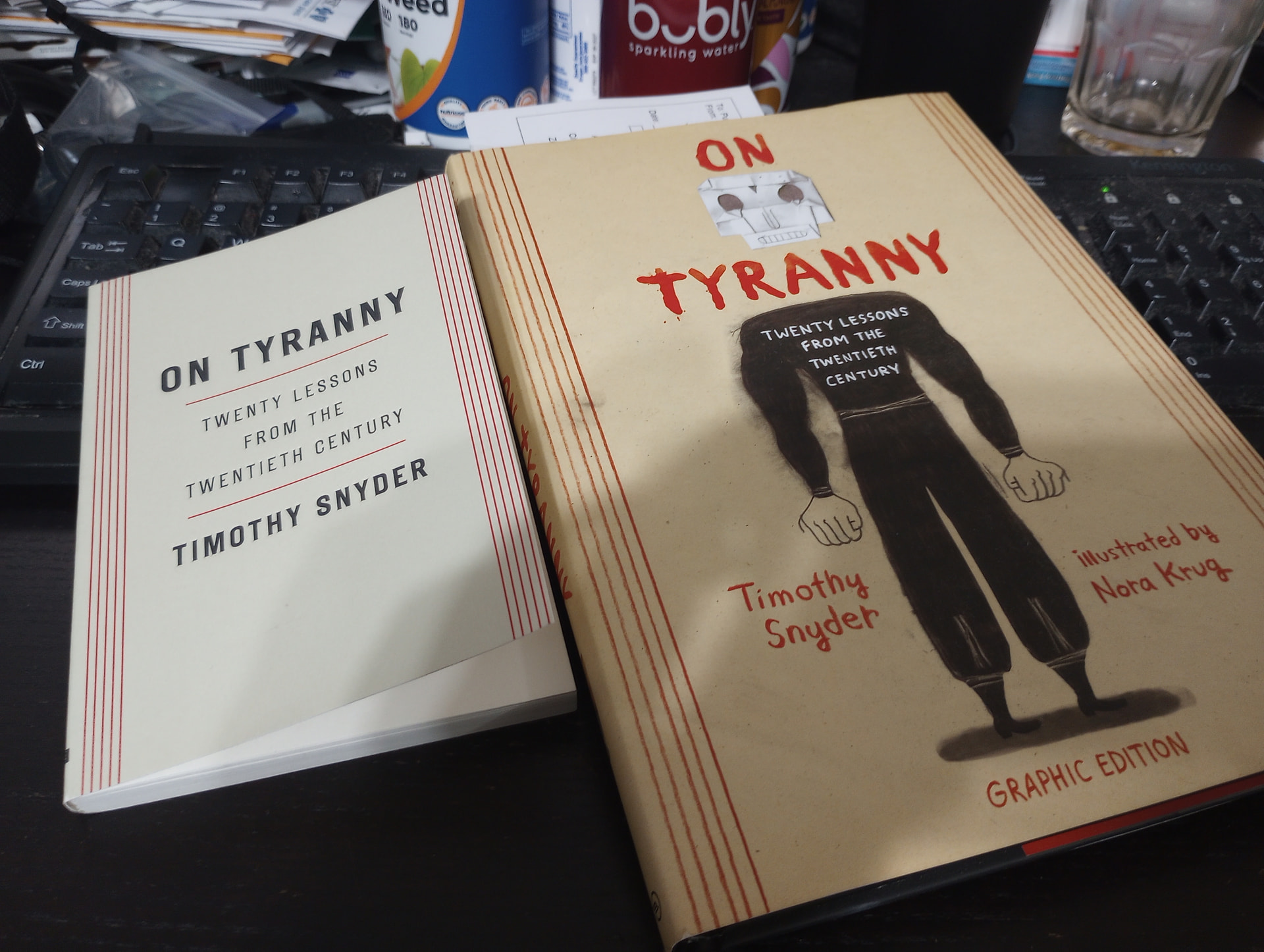
My neighbor across the street put me on to this, lending me her copy of the illustrated version. I got a few pages in and figured it was worth buying a copy of my own, but non-illustrated.
I read the version on the left. A good reminder of how History repeats itself.
the zine on the right screams "as per by the quarter-hour documentation in SharePoint i spent. a total of 50% time designing the fuzzies on right arm character1_robotskullfuzz_cover.jpg of this zine (don’t worry, everyone will know it’s intentional) as i did collecting the addresses of my dead relatives to boost my clout or rizz or whatever u people call it these days love you grammy"on a whole level of the producer telling the writers to keep it a little more basic because my audience are usually idiots sort of basis… is certainly noticeable. nice work see what u did there
Read a book that is the point by point antithesis to the prince, the anti-machiavel by frederick king of prussia.
It perplexes me why this book is not more well known.
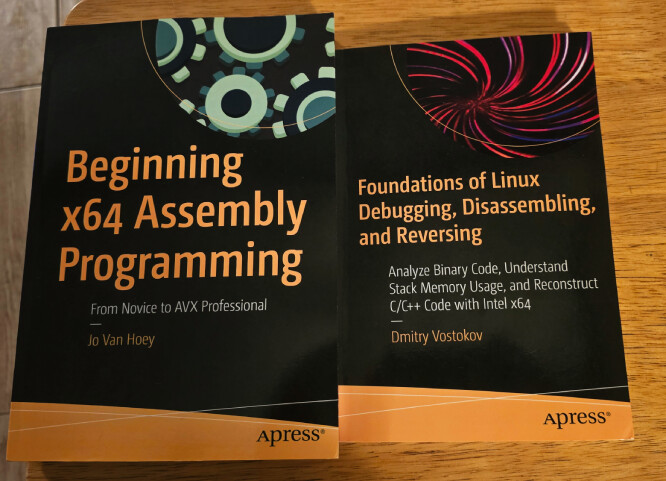
After getting a little more confident with writing (very) small x64 apps from scratch in ASM, I figured it was time to go just a little deeper, so I picked these up on sale. This is a totally new and exciting world full of very weird and interesting possibilities, and likely a bit overkill, but that’s how I like it 
schoenberg - structural functions of harmony
i’m a teacher as well and constantly refining my pedagogical approach to things and i’m finding my journaling always starts to sound a little like what i’m reading lmao
I’m the same way! when I studied Schoenberg a lot of my musical ideas were based on experimenting with 12 tone and everything beyond that. Definitely was an interesting and enlightening exercise in a lot of ways. putting to practice ideas in that way and sort of inundating your toolbox with it, even if only for a little bit, it’s a really effective way to gain perspective, or at least a broader view of what you want to do.
Speaking of the time I went to music school, here is an interesting paper I used for research at one point. for anyone interested.
Spatiotemporal Representation of the Pitch of Harmonic.pdf (3.1 MB)
I would add Freedom to Fascism by Aaron Russo to that list